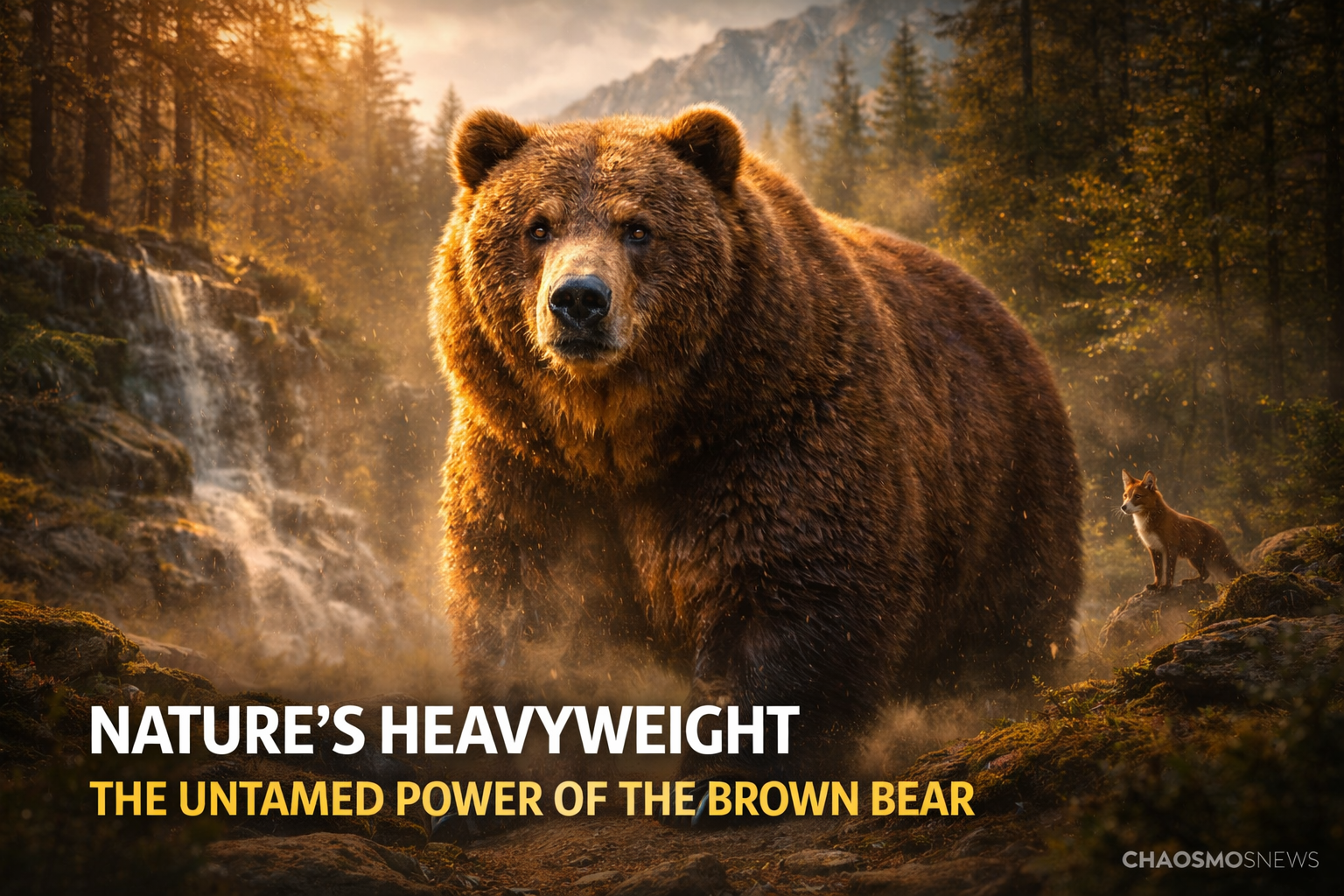
The brown bear, known scientifically as Ursus arctos, is one of the most powerful and iconic land animals on Earth. With its immense strength, intelligence, and adaptability, this remarkable creature has dominated forests, mountains, and tundras for thousands of years.
? A Giant Across Continents
Brown bears are among the most widely distributed large carnivores in the world. They inhabit vast regions across North America, Europe, and Asia — from the remote wilderness of Alaska to the dense forests of Eastern Europe and the rugged landscapes of Siberia.
In Türkiye, brown bears are most commonly found in the forested mountains of the Black Sea region and Eastern Anatolia, where they continue to play a crucial role in maintaining ecological balance.
⚖️ Size, Strength, and Survival
Few animals rival the sheer physical power of the brown bear. Adult males can weigh over 600 kilograms (1,300 pounds), with some individuals reaching even greater sizes in food-rich regions.
Despite their massive build, brown bears are surprisingly agile. They can:
-
Run at speeds of up to 50 km/h (31 mph)
-
Swim across rivers and lakes with ease
-
Climb trees, especially when young
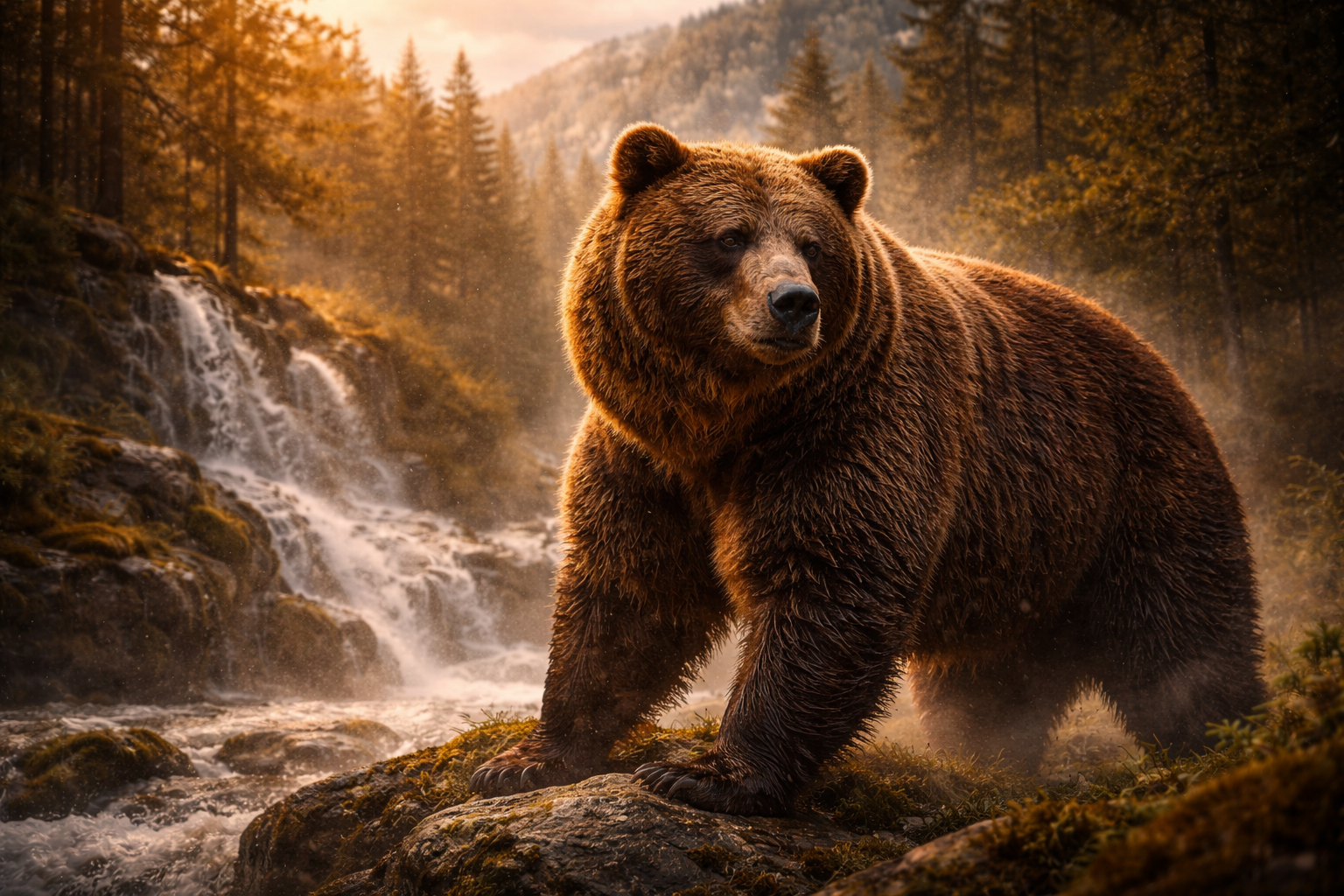
Their long claws, powerful limbs, and thick fur make them perfectly adapted for survival in harsh environments — from freezing winters to rugged mountain terrain.
? A Sense Beyond Imagination
One of the brown bear’s most extraordinary abilities is its sense of smell. It is estimated to be several times stronger than that of a bloodhound, allowing the bear to detect food from distances exceeding 20 kilometers.
This incredible sensory advantage helps them locate carrion, berries, fish, and even hidden prey beneath snow or soil.
?️ Not Just a Predator
Although often seen as fierce predators, brown bears are actually omnivores. Their diet varies depending on the season and habitat:
-
Berries, roots, and plants
-
Insects and larvae
-
Fish such as salmon
-
Small and large mammals
This flexible diet is one of the key reasons for their long-term survival across diverse ecosystems.
❄️ Masters of Winter: Hibernation
As winter approaches and food becomes scarce, brown bears enter a state known as hibernation. During this period, their heart rate slows, their metabolism drops, and they survive entirely on stored body fat.
Remarkably, female bears can even give birth during hibernation — nurturing their cubs in the safety of the den until spring arrives.
? Intelligence and Behavior
Brown bears are not only strong — they are also highly intelligent. They have excellent memory, can solve problems, and are capable of learning from experience.
Most of the time, they are solitary animals, avoiding humans and other bears except during mating season or when raising cubs.
⚠️ Power and Respect
Despite their generally calm nature, brown bears are wild animals and can be extremely dangerous if threatened or surprised. Most attacks occur when humans unintentionally enter their territory or come too close to cubs.
Understanding and respecting their space is essential for coexistence.
? A Keystone Species
Brown bears play a vital role in their ecosystems. By dispersing seeds, controlling prey populations, and even contributing nutrients through their feeding habits, they help maintain the health of forests and wilderness areas.
✨ Conclusion
The brown bear is more than just a symbol of strength — it is a living reminder of the raw, untamed power of nature. From its incredible senses to its adaptability and intelligence, this majestic animal continues to thrive in some of the harshest environments on Earth.
Protecting the brown bear means protecting entire ecosystems — and preserving one of the planet’s most awe-inspiring creatures for future generations.