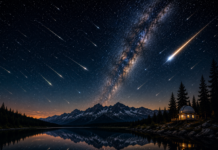
Every year, Earth quietly passes through streams of cosmic debris left behind by ancient objects in our Solar System. When these tiny particles collide with our atmosphere, they burn up in brilliant flashes of light we call meteors — or more poetically, shooting stars.
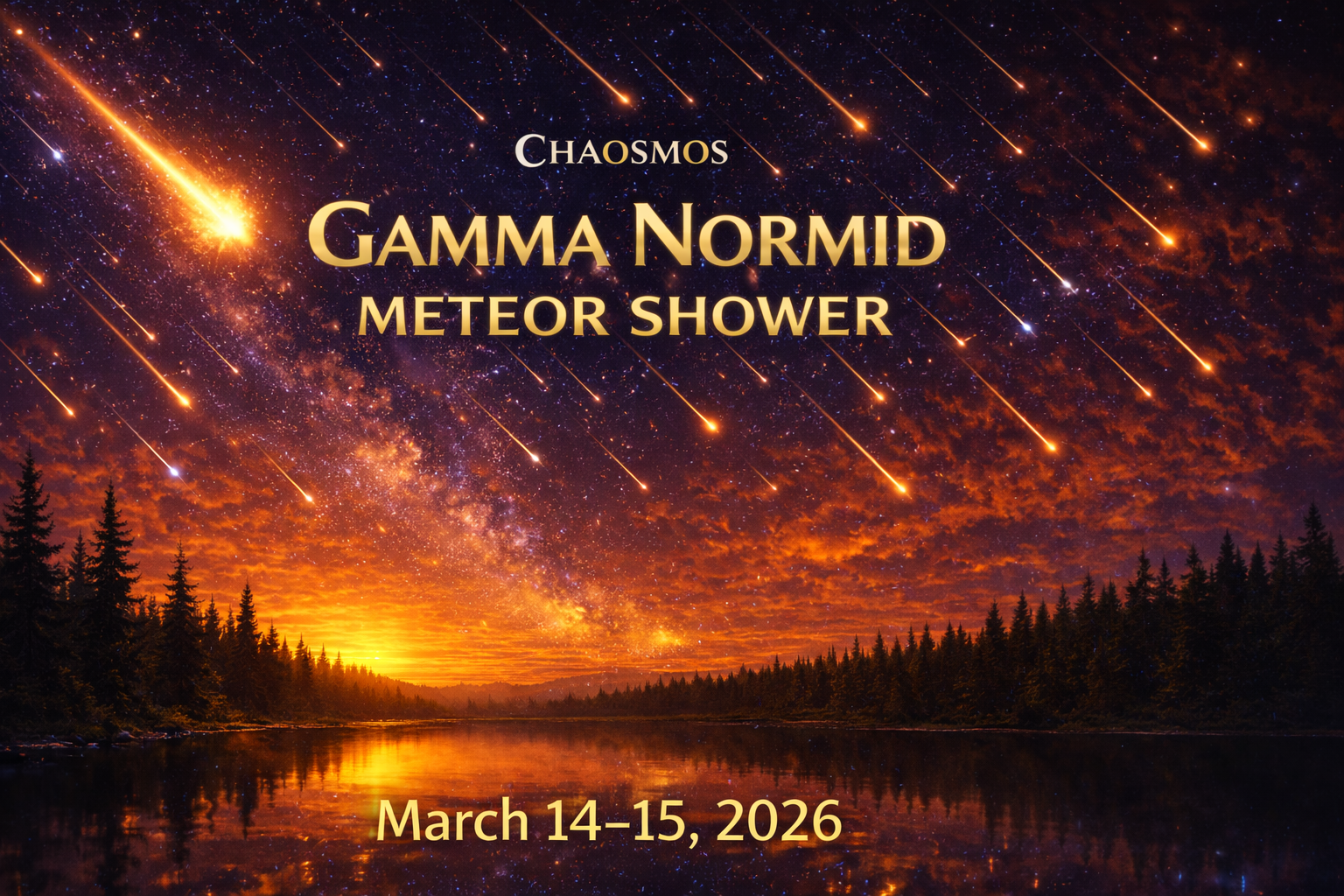
Among the lesser-known but fascinating meteor showers of the year is the Gamma Normid Meteor Shower, which will reach its peak during the night of March 14–15, 2026.
While it may not rival famous displays like the Perseids or Geminids, the Gamma Normids hold a unique mystery that continues to intrigue astronomers.
? A Meteor Shower With a Mysterious Origin
Most meteor showers can be traced back to a specific comet or asteroid that shed debris along its orbit around the Sun. For example, the Perseid meteor shower originates from Comet Swift–Tuttle, and the Leonids come from Comet Tempel–Tuttle.
However, the Gamma Normids are different.
Astronomers have not yet identified a definitive parent comet or asteroid responsible for this shower. The debris stream exists, but its source remains uncertain. This makes the Gamma Normids one of the more enigmatic meteor showers observed each year.
Scientists suspect that the debris could come from an ancient, possibly dormant comet whose orbit has changed over time, making it difficult to identify today.
? What to Expect During the Peak
The Gamma Normids are considered a moderate meteor shower, typically producing around 6 meteors per hour under ideal dark-sky conditions.
These meteors are known for their medium speed, entering Earth’s atmosphere at about 56 kilometers per second (around 125,000 mph).
Because of their speed, some Gamma Normid meteors can leave short glowing trails, briefly lingering in the sky after the meteor itself has vanished.
Occasionally, a brighter meteor known as a fireball may appear, creating an especially dramatic streak of light across the sky.
? Where and When to Watch
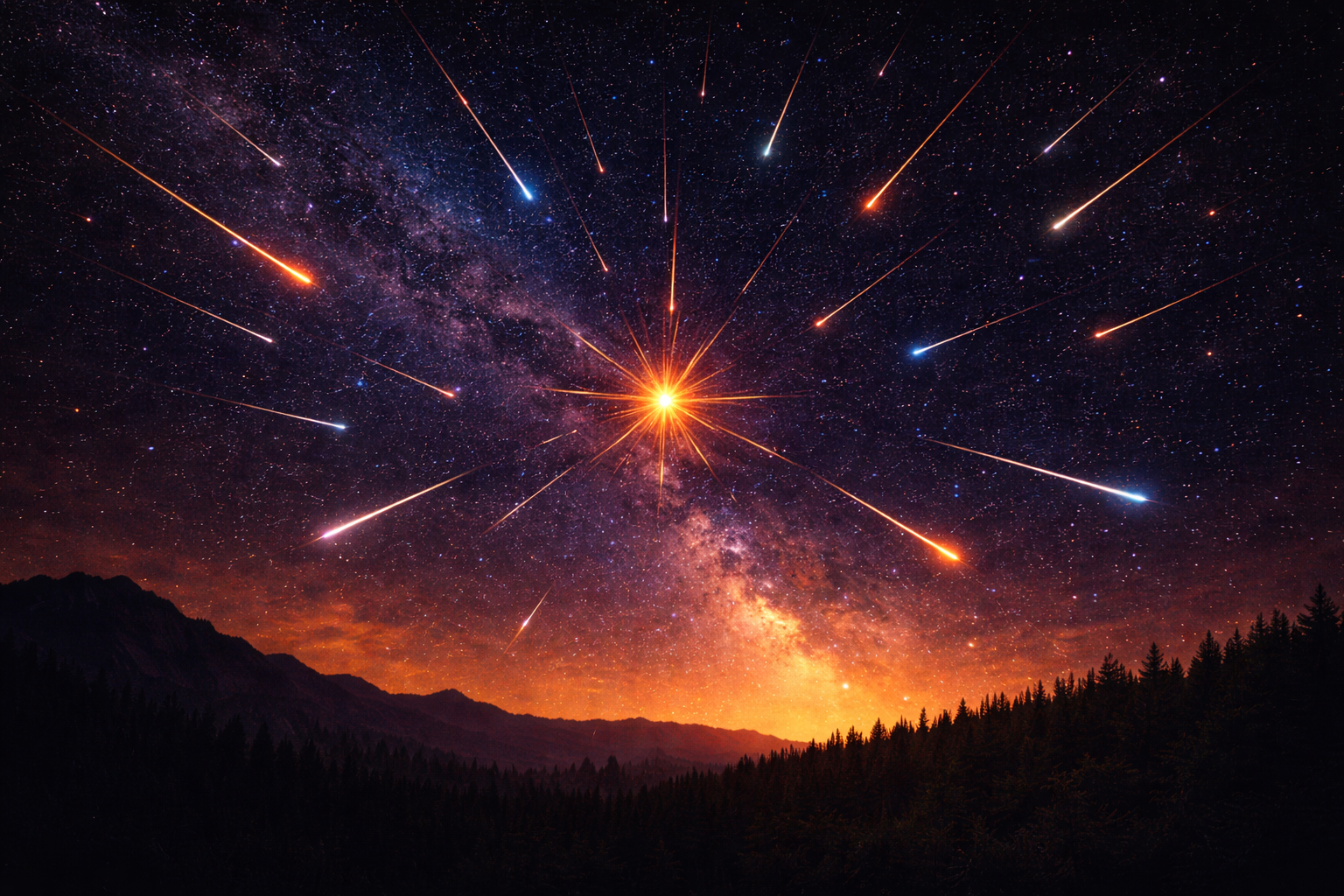
The radiant point — the area of the sky where the meteors appear to originate — lies in the constellation Norma, a faint constellation located in the southern sky.
For this reason, the Gamma Normids are best seen from the Southern Hemisphere, including regions such as:
-
Australia
-
South Africa
-
South America
-
parts of southern Asia
Observers in the Northern Hemisphere may still catch a few meteors low on the southern horizon, but the display will be more limited.
Best viewing time
The best time to watch will be:
After midnight until dawn on March 15.
During these hours, the radiant climbs higher in the sky, increasing the chances of seeing meteors.
? Moonlight Conditions in 2026
One important factor when watching meteor showers is moonlight, which can brighten the sky and hide faint meteors.
Fortunately, during the March 14–15, 2026 peak, the Moon will not significantly interfere with viewing conditions, meaning darker skies will help reveal even the fainter meteors.
? Tips for Watching the Meteor Shower
You don’t need a telescope or binoculars to watch meteor showers. In fact, the best way to observe them is simply with your naked eyes.
Here are a few simple tips to improve your experience:
-
Find a dark location away from city lights
-
Allow your eyes 20–30 minutes to adapt to the dark
-
Lie back in a chair or blanket and look at a wide portion of the sky
-
Be patient — meteor showers often come in bursts with quiet moments in between
Even during quieter meteor showers, the sudden appearance of a bright meteor can be an unforgettable moment.
? A Quiet Reminder of Our Dynamic Solar System
Meteor showers like the Gamma Normids remind us that our Solar System is far from static. Earth is constantly moving through streams of cosmic debris left behind by ancient celestial travelers.
Each meteor we see is a tiny fragment — often no larger than a grain of sand — that has spent thousands or even millions of years orbiting the Sun, only to end its journey in a brief flash of light high above our planet.
For a moment, the universe leaves a visible mark across our night sky.
✨ Looking Up on March 14–15
The Gamma Normid Meteor Shower may not be the most famous meteor display of the year, but its mysterious origins and occasional bright streaks make it a rewarding sight for anyone willing to step outside and look up.
On the night of March 14–15, 2026, the sky will once again host this subtle cosmic event.
And somewhere in the darkness above, a tiny fragment of ancient space dust will blaze across the sky — reminding us just how alive our universe truly is.