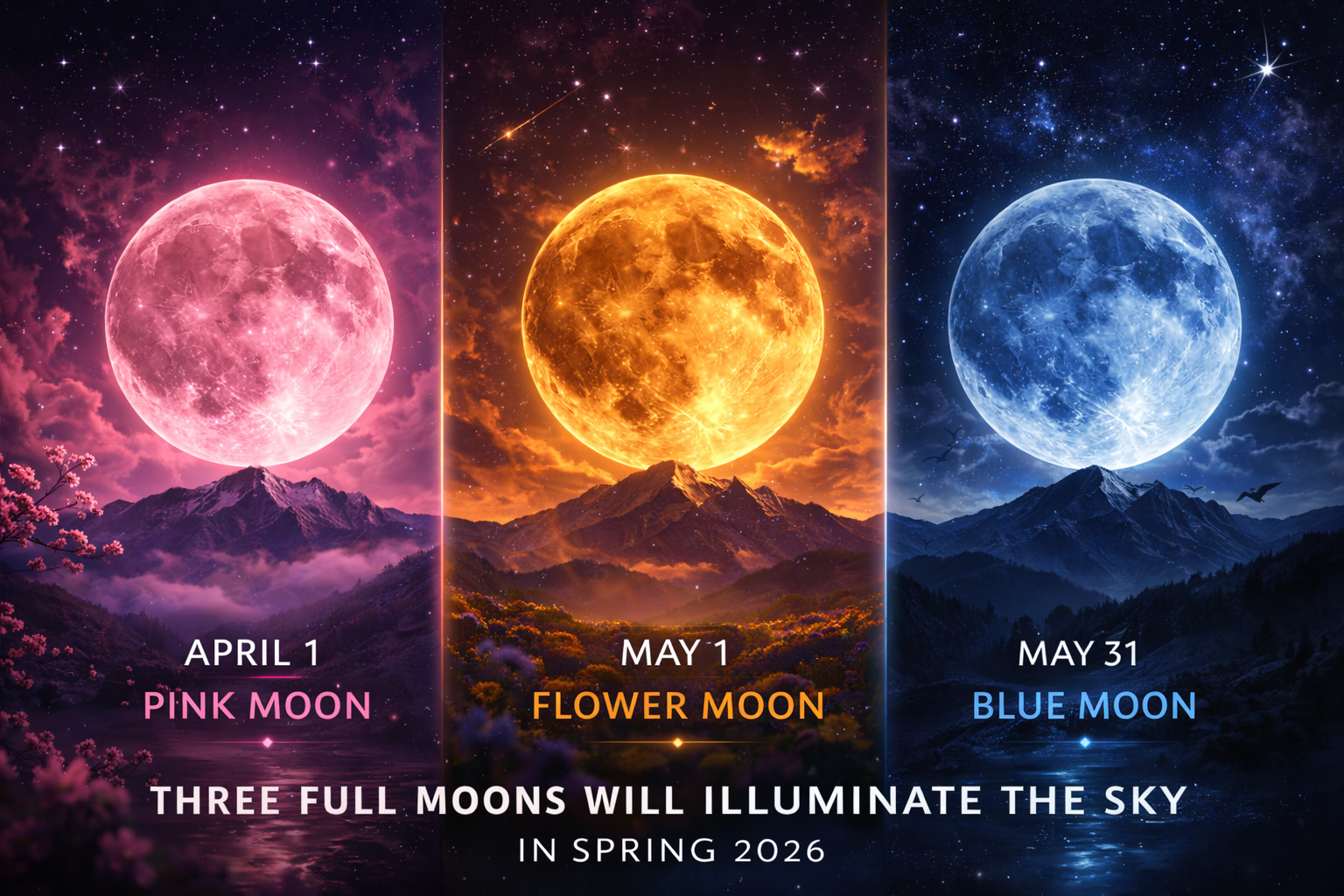
Spring 2026 will bring a beautiful sequence of lunar events that skywatchers around the world can enjoy. Over the course of two months, three full moons will rise into the night sky, each carrying its own traditional name, seasonal meaning, and unique charm.
From the gentle glow of the Pink Moon in April to the rare Blue Moon at the end of May, these lunar events remind us how closely human culture and the natural rhythms of the sky have always been connected.
Even better, observing these full moons requires no special equipment. On clear nights, anyone can simply step outside and watch the Moon rise in all its brilliance.
Here’s a closer look at the three full moons that will light up the sky this spring.
April 1, 2026 — The Pink Moon
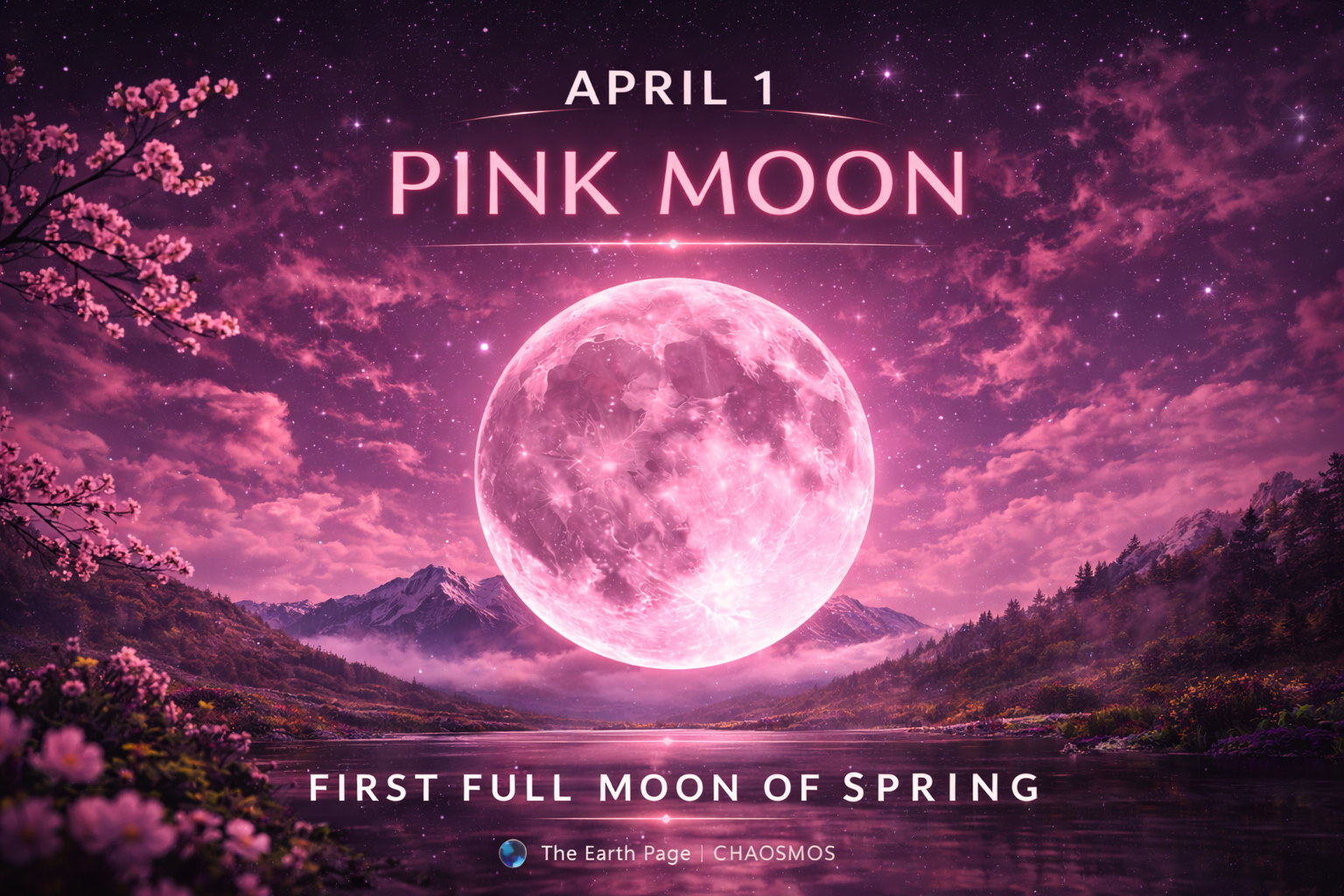
The first full moon of the season will arrive on April 1, 2026, traditionally known as the Pink Moon.
Despite its name, the Moon itself does not actually appear pink. The name comes from Phlox subulata, a vibrant pink wildflower that blooms across parts of North America in early spring. Indigenous tribes and early settlers used these seasonal changes to track the passage of time.
The Pink Moon represents the arrival of spring, a time when nature awakens after winter. As the days grow longer and temperatures begin to rise, the Moon shines above landscapes slowly returning to life.
In many cultures, this full moon symbolizes renewal, growth, and new beginnings.
May 1, 2026 — The Flower Moon
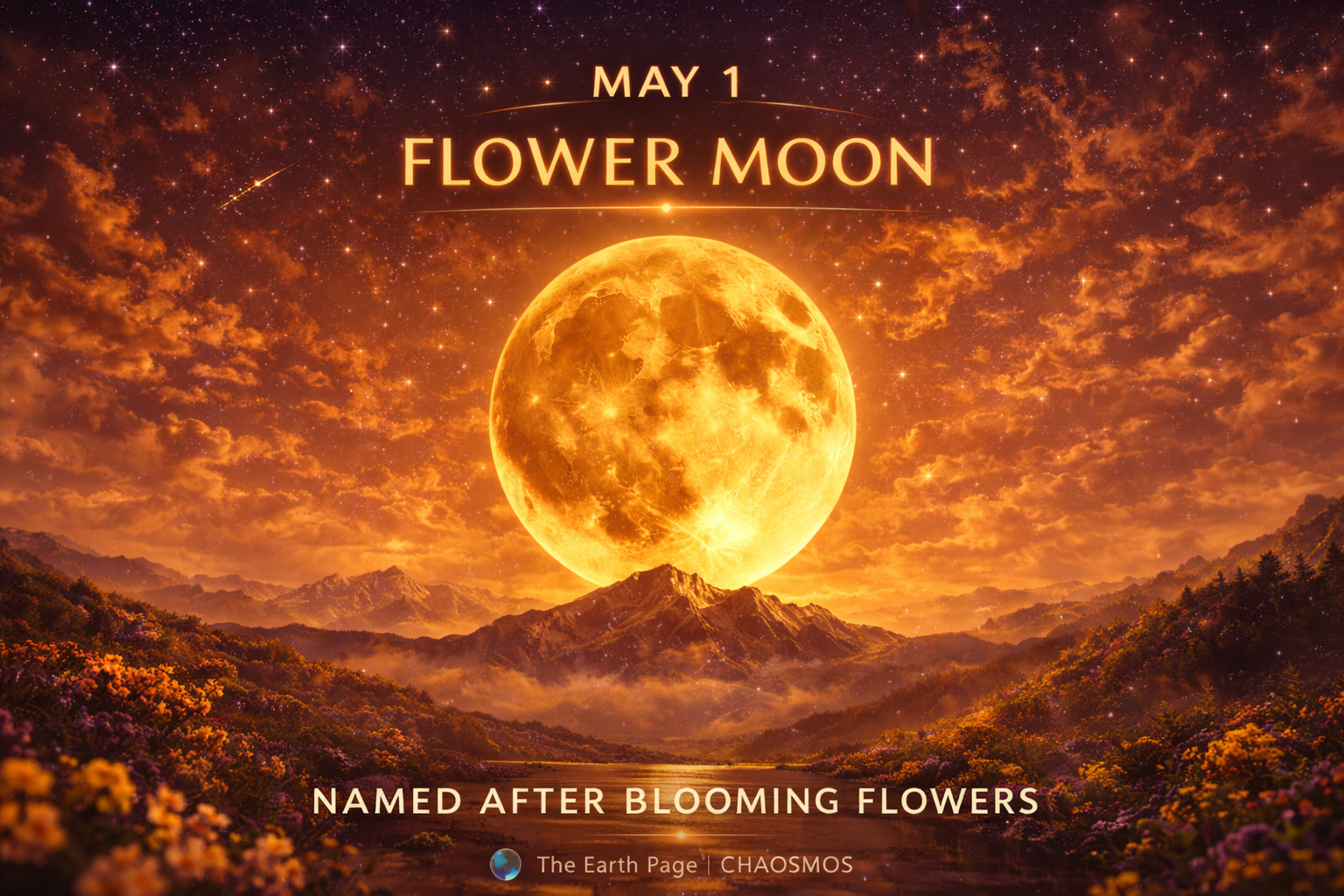
Exactly one month later, the night sky will welcome the Flower Moon on May 1, 2026.
This name reflects the explosion of blossoms that occurs during late spring across much of the Northern Hemisphere. Fields and forests fill with flowers, making this one of the most colorful periods of the year.
The Flower Moon has long been associated with fertility, abundance, and the peak of springtime energy. Historically, farmers and communities used the full moon as a natural calendar marker during planting season.
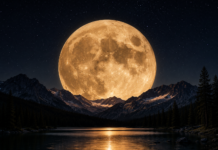
When the Flower Moon rises, it often appears especially large and golden near the horizon due to an optical effect known as the Moon illusion, making it a particularly beautiful sight to observe.
May 31, 2026 — The Rare Blue Moon
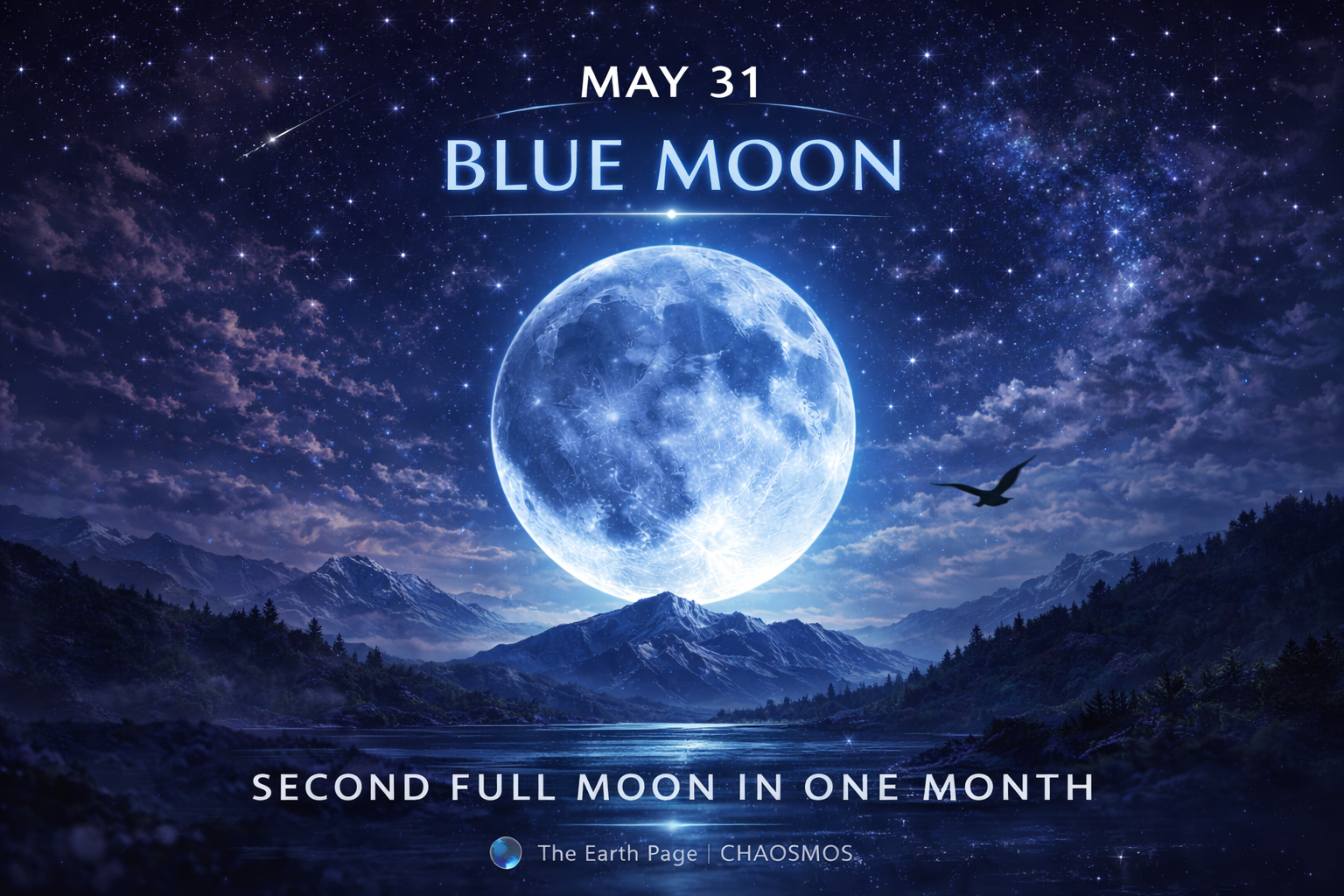
The final full moon of the season arrives on May 31, 2026, and this one is a little more special.
This will be a Blue Moon, a term used when two full moons occur within the same calendar month. Since a lunar cycle lasts about 29.5 days, this situation only happens every few years.
Despite the name, the Moon does not normally turn blue. However, under very rare atmospheric conditions — such as after large volcanic eruptions or wildfires — particles in the atmosphere can scatter red light and give the Moon a slightly bluish tint.
Even without that effect, the Blue Moon remains a fascinating astronomical event simply because of its rarity.
This is also where the popular phrase “once in a blue moon” comes from, referring to something that happens infrequently.
Why Full Moon Names Exist
The names of full moons come primarily from Native American traditions, later adopted and recorded by colonial farmers. Each name reflected seasonal changes in nature, wildlife behavior, or agricultural cycles.
Over time, these names became widely used in almanacs and astronomical calendars.
Some well-known examples include:
-
Wolf Moon (January)
-
Snow Moon (February)
-
Pink Moon (April)
-
Flower Moon (May)
-
Harvest Moon (September)
-
Hunter’s Moon (October)
These traditional names help connect modern skywatching with centuries of human observation of the natural world.
How to Observe the Full Moons
Observing a full moon is one of the easiest astronomical experiences available.
No telescope is required, though binoculars can reveal incredible detail on the lunar surface, including craters, mountains, and dark volcanic plains called maria.
For the best viewing experience:
• Find a location with a clear view of the horizon
• Watch the Moon shortly after moonrise for dramatic color and size effects
• Avoid bright city lights if possible
• Bring a camera if you enjoy astrophotography
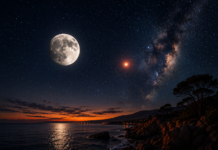
One of the most magical moments is watching the Moon slowly rise above the landscape, glowing orange or gold before turning bright white as it climbs higher into the sky.
A Reminder to Look Up
In a world filled with busy schedules and glowing screens, the full moon offers a simple reminder to pause and look up.
The Pink Moon, Flower Moon, and Blue Moon of spring 2026 will provide three opportunities to reconnect with the night sky — moments when nature puts on a show visible to nearly everyone on Earth.
So mark your calendar, step outside when the night is clear, and enjoy one of the oldest spectacles humanity has ever known.
The Moon will be waiting.